Smart Wearables Are Getting Smarter—But Which Features Actually Matter?
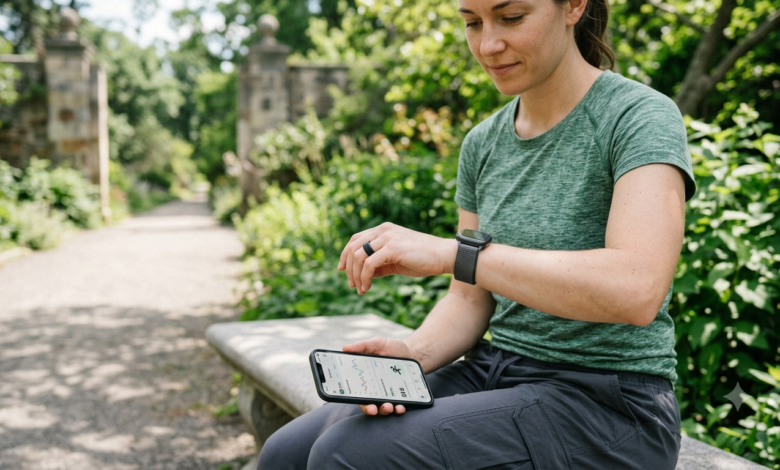
Smartwatches, fitness bands, and smart rings have evolved far beyond glorified step counters. Devices on the market track everything from blood oxygen levels and heart rate variability to sleep stages and skin temperature.
With manufacturers continually rolling out new sensors and AI-driven insights, choosing a device can feel overwhelming. Every update promises a revolutionary way to optimize your health or streamline your day. But do you actually need continuous body temperature monitoring, or is a reliable battery with clear notifications enough?
Understanding which features offer genuine, everyday value—and which exist primarily for marketing appeal—can help you select a device that truly fits your lifestyle and budget.
The Shift From Simple Tracking to Actionable Insights
Early wearables focused primarily on basic activity metrics: step totals, estimated calories burned, and total sleep time. While useful, these raw numbers provided limited context.
Modern devices combine multiple sensor inputs—such as optical heart rate monitoring, pulse oximetry, photoplethysmography (PPG), and skin conductance—with machine learning algorithms. Instead of simply reporting that you slept six hours, current wearables analyze heart rate variability (HRV) and movement trends to provide recovery scores, readiness metrics, and personalized advice on when to push hard or take a rest day.
However, more sensors do not automatically equal a better experience. The real test of any feature is whether it delivers actionable value that improves your health, convenience, or peace of mind.
Features That Consistently Deliver Real-World Value
While individual needs vary, several core capabilities provide tangible benefits for most users:
-
Accurate Heart Rate & HRV Tracking: Continuous optical heart rate monitoring serves as the foundation for physical activity tracking, stress estimation, and recovery analysis. Heart rate variability (HRV)—the time variation between consecutive heartbeats—has become one of the most reliable indicators of physical stress and nervous system recovery.
-
Comprehensive Sleep & Recovery Metrics: Modern wearables track sleep duration and estimate sleep stages (light, deep, and REM). When paired with waking heart rate and HRV, sleep tracking offers immediate, practical feedback on how alcohol, late meals, stress, and exercise affect rest quality.
-
Dual-Band GPS for Outdoor Activities: For runners, cyclists, and hikers, onboard GPS ensures accurate distance and pace measurement without needing to carry a smartphone. Dual-band (multisport) GPS significantly improves tracking accuracy in challenging environments like dense pine forests or urban areas with tall buildings.
-
Long-Lasting Battery Life: A device cannot track your health if it is sitting on a charger. While feature-packed smartwatches often require daily charging, dedicated fitness bands and smart rings can last anywhere from four days to two weeks on a single charge. Reliable battery life remains a critical usability factor.
-
FDA-Cleared Health Safety Alerts: Capabilities such as irregular heart rhythm notifications (atrial fibrillation detection) and fall detection offer meaningful safety benefits. These passive safety features run silently in the background and can alert users to potential health risks that warrant professional medical evaluation.
Features That May Be Overhyped (Or Unnecessary for Most)
Not every advertised feature adds meaningful value to daily life. Some capabilities serve niche use cases or lack the precision required to make them truly useful:
-
Overly Complex AI “Coaching”: Generative AI summaries can be fun to read, but automated coaching insights often state the obvious (e.g., “You slept 5 hours, so you might feel tired today”). Unless the AI offers customizable, context-aware training plans, it can quickly feel like redundant noise.
-
Continuous Blood Oxygen (SpO2) Monitoring: While spot-checking SpO2 can assist in screening for conditions like sleep apnea, continuous daytime blood oxygen readings rarely offer actionable value for healthy individuals at sea level. They also drain battery life rapidly.
-
Skin Temperature Trends: Wrist and finger temperature sensing can help track menstrual cycles or flag the onset of an illness. However, because skin temperature is easily influenced by room conditions, heavy blankets, or ambient weather, day-to-day readings are often too noisy to guide routine health decisions.
-
Wrist-Based Voice Assistants: Having a voice assistant on your wrist sounds convenient, but slow processing times, small speaker outputs, and reliance on a paired smartphone mean most users revert to using their phones directly.
Wellness Tracking vs. Clinical Diagnostics
As wearables gain advanced health capabilities, distinguishing between general wellness tools and medically validated devices is critical.
Consumer wearables use optical sensors to estimate physiological metrics. While these sensors are increasingly sophisticated, factors such as skin tone, motion artifacts, wrist tattoo ink, and device fit can introduce measurement errors.
Devices with regulatory clearance (such as FDA-cleared ECG readings or sleep apnea screening tools) have met specific standards for clinical testing. Even so, no consumer wearable is a substitute for professional medical care. Wearable metrics should be viewed as preliminary trends to discuss with a physician, rather than definitive diagnoses.
How to Prioritize Features Based on Your Needs
The ideal wearable depends entirely on your primary goal:
For Fitness Enthusiasts & Endurance Athletes
-
Top Priorities: Dual-band GPS, high-frequency heart rate sampling, external sensor support (chest straps, power meters), customizable workout screens, and long battery life in GPS mode.
-
Less Important: LTE connectivity, voice calls, and third-party smartwatch apps.
For Busy Professionals & Everyday Convenience
-
Top Priorities: Reliable app notifications, contactless mobile payments, calendar integration, sleek design, and comfortable 24/7 wearability.
-
Less Important: Advanced athletic recovery metrics, multi-sport tracking, and heavy-duty durability.
For Health & Sleep Optimization
-
Top Priorities: Lightweight form factor (such as a smart ring or slim band), reliable sleep-stage tracking, night-time HRV analysis, and irregular rhythm notifications.
-
Less Important: On-screen map navigation, wrist speakers, and high-brightness outdoor displays.
Key Considerations Before You Buy
Before purchasing a new smart device, keep these practical factors in mind:
-
Form Factor Matters Most: The most accurate sensor is useless if the device is uncomfortable to wear overnight or during exercise. Choose between a full-featured smartwatch, a lightweight fitness band, or a screen-free smart ring based on when you plan to wear it.
-
App Ecosystem & Subscription Fees: Many brand ecosystems now lock advanced health insights, personalized readiness scores, or historical data trends behind monthly subscription fees. Calculate the total cost of ownership over two years before committing.
-
Data Privacy & Ownership: Health and location data are highly sensitive. Look for manufacturers that offer transparent privacy policies, clear options to opt out of data sharing, end-to-end encryption, and local data storage options.
Finding What Works for You
Smart wearables have matured into capable health monitors and everyday assistants. However, smart purchasing isn’t about buying the device with the longest feature list—it’s about choosing the metrics and capabilities that solve real problems in your daily routine.
Prioritize reliable battery life, comfortable design, and core metrics like heart rate and sleep tracking before paying a premium for experimental sensors or flashy software gimmicks. When technology serves a clear purpose, staying connected and staying healthy become seamless parts of life.