Smartphone Camera Showdown: Which Phones Deliver the Best Photos and Video?
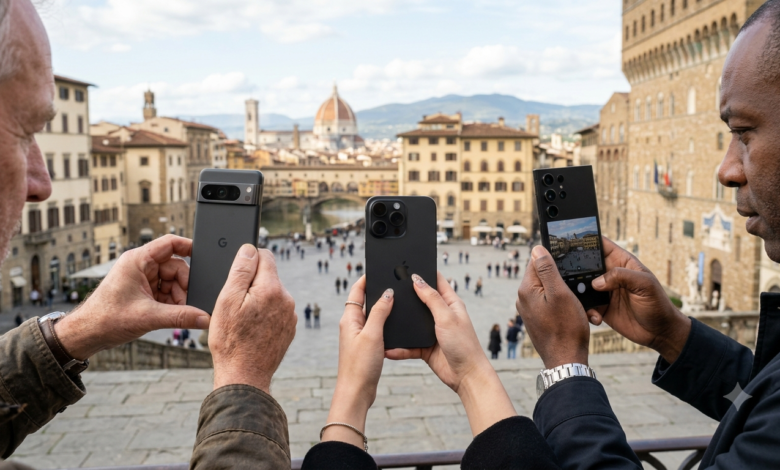
Smartphone photography has evolved far beyond the days of simple megapixel races. Today, image quality is defined by a sophisticated mix of larger image sensors, multi-lens hardware arrays, advanced optical stabilization, and powerful computational AI algorithms. Modern flagships routinely outshine traditional point-and-shoot cameras, but each manufacturer takes a distinct approach to processing colors, handling motion, and managing dynamic range.
Choosing the right camera phone depends on what you value most—whether that’s point-and-shoot portrait consistency, professional Log video recording, or extreme telephoto zoom capability. This guide breaks down the technical elements that matter and compares the leading flagship models to help you find the best device for your needs.
What Makes a Smartphone Camera Great?
-
Sensor Size: A larger physical sensor captures significantly more light, reducing grain (noise), improving dynamic range, and creating natural shallow depth-of-field (bokeh) without artificial blur.
-
Megapixel Resolution & Pixel Binning: High pixel counts (like 50 MP or 200 MP) utilize “pixel binning” to combine adjacent pixels into larger virtual pixels for better low-light capture, while offering high-resolution crops in bright light.
-
Lens Quality & Aperture: Quality glass reduces optical distortions, chromatic aberration, and lens flare. Brighter apertures (lower f-numbers like f/1.4 or f/1.7) allow more light to reach the sensor.
-
Image Processing & Computational Photography: Software engines parse raw sensor data in milliseconds. High Dynamic Range (HDR) exposure blending, shadow tone-mapping, and noise-reduction algorithms heavily dictate the final look of a photo.
-
Optical Image Stabilization (OIS): Physical motor-driven mechanisms compensate for hand movement, enabling sharper low-light exposures and smoother handheld video.
-
Autofocus Systems: Dual-Pixel Phase Detection (PDAF) and Laser Autofocus allow rapid, accurate tracking of moving subjects, critical for candid shots and crisp video.
-
Telephoto & Periscope Zoom: Dedicated optical telephoto lenses and folded periscope designs deliver true optical magnification without sacrificing image clarity.
-
Ultrawide Versatility: Ultrawide sensors capture expansive landscapes and tight interior shots, often doubling as macro cameras when auto-focusing up close.
The Best Smartphone Cameras to Consider
1. Apple iPhone 17 Pro Max
Apple’s top-tier flagship focuses on operational consistency, refined color reproduction, and pro-level video tools.
-
Main Camera: 48 MP Fusion (24mm equivalent, f/1.78, sensor-shift OIS).
-
Ultrawide Camera: 48 MP Fusion (13mm equivalent, f/2.2, 120° field of view).
-
Telephoto Camera: 48 MP Fusion (100mm 4x optical, f/2.8 with 3D sensor-shift OIS).
-
Selfie Camera: 18 MP Center Stage (f/1.9).
-
Photo Quality: Delivers lifelike color reproduction, clean detail, and minimal shutter lag.
-
Night & Portrait Performance: Excellent low-light clarity and exceptionally natural depth map separation around hair and complex edges.
-
Video Quality & Stabilization: Industry-leading 4K/120fps Dolby Vision, Apple Log 2, and ProRes support with best-in-class stabilization.
-
Strengths: Unmatched video performance, smooth lens switching, consistent exposure.
-
Weaknesses: Colors can lean slightly warm; digital zoom beyond 10x drops in detail compared to periscope rivals.
-
Best For: Content creators, videographers, and users wanting seamless point-and-shoot reliability.
2. Samsung Galaxy S26 Ultra
Samsung’s ultimate hardware powerhouse features a flexible quad-camera setup and extreme resolution capabilities.
-
Main Camera: 200 MP (1/1.3-inch, 23mm, f/1.4, OIS).
-
Ultrawide Camera: 50 MP (13mm, f/1.9, 120° FOV).
-
Telephoto Cameras: Dual setup — 10 MP (3x optical, f/2.4) + 50 MP periscope (5x optical, f/2.9, OIS).
-
Selfie Camera: 12 MP (f/2.2).
-
Photo Quality: Sharp, detailed images with punchy contrast and vibrant saturation.
-
Night & Portrait Performance: Performs well in extreme low light; high-resolution periscope aids sharp nighttime zoom shots.
-
Video Quality & Stabilization: Capable of 8K/30fps and 4K/120fps video recording with strong digital and optical stabilization.
-
Strengths: Outstanding zoom range, feature-rich manual controls, versatile multi-lens system.
-
Weaknesses: Processing can occasionally over-sharpen fine details; secondary 3x sensor is smaller than main units.
-
Best For: Power users who want maximum zoom reach and advanced manual flexibility.
3. Google Pixel 10 Pro XL
Google’s computational flagship relies on advanced AI image pipelines to deliver balanced tone mapping and high shadow detail.
-
Main Camera: 50 MP (1/1.3-inch, f/1.68, OIS).
-
Ultrawide Camera: 48 MP (f/1.9 with macro focus).
-
Telephoto Camera: 48 MP periscope (5x optical, OIS).
-
Selfie Camera: 42 MP with autofocus.
-
Photo Quality: Highly accurate skin tones (Real Tone), exceptional dynamic range, and strong shadow preservation.
-
Night & Portrait Performance: Night Sight sets the benchmark for clean ambient low-light capture without artificial over-brightening.
-
Video Quality & Stabilization: Video Boost AI enhances low-light clips significantly up to 8K resolution.
-
Strengths: Effortless point-and-shoot photographic consistency, superb AI photo tools.
-
Weaknesses: Shutter-to-processing times can lag slightly during heavy computational bursts.
-
Best For: Everyday photographers who want clean, natural photos with zero manual adjustment required.
4. Vivo X300 Ultra
A photography-focused device created in partnership with ZEISS, targeting hardware purists and enthusiast photographers.
-
Main Camera: 200 MP Sony LYT-901 (1/1.12-inch, f/1.9, gimbal OIS).
-
Ultrawide Camera: 50 MP (1/1.28-inch, f/2.0, 116° FOV, OIS).
-
Telephoto Camera: 200 MP periscope (85mm, f/2.7, ZEISS APO optics).
-
Selfie Camera: 50 MP with autofocus.
-
Photo Quality: Exceptional natural color accuracy, film-like background blur, and high contrast detail.
-
Night & Portrait Performance: Giant sensor sizes deliver clean night photos with realistic shadows and minimal digital noise.
-
Video Quality & Stabilization: Gimbal OIS stabilization creates extremely steady footage.
-
Strengths: Unrivaled raw sensor hardware, outstanding telephoto optics.
-
Weaknesses: Software interface is less polished globally; widespread regional availability varies.
-
Best For: Photography enthusiasts seeking true professional-grade optical hardware.
Best Phone for Photography: Google Pixel 10 Pro XL / Vivo X300 Ultra
For everyday users who want flawless, realistic stills on the first attempt, the Google Pixel 10 Pro XL remains the top point-and-shoot choice due to its intelligent processing pipeline. However, for purists who prioritize massive optical sensors, precise color science, and natural lens bokeh, the Vivo X300 Ultra leads hardware performance.
Best Phone for Video: Apple iPhone 17 Pro Max
Apple maintains a clear advantage in video recording. The iPhone 17 Pro Max offers smooth lens transitions, precise target tracking, minimal focus hunting, and wide dynamic range. Professional formats like Apple Log 2 and high-frame-rate 4K Dolby Vision at 120fps make it the top choice for mobile filmmakers and content creators.
Best Phone for Night Photography: Vivo X300 Ultra
Night photography relies heavily on physical sensor size and light gathering. The Vivo X300 Ultra uses massive sensor dimensions paired with custom ZEISS anti-reflective coatings, minimizing internal lens flares and preserving natural low-light detail without over-exposing night scenes into artificial daylight.
Best Phone for Zoom Photography: Samsung Galaxy S26 Ultra
While optical periscope lenses top out around 4x to 5x magnification, the Samsung Galaxy S26 Ultra combines a high-resolution 50 MP 5x periscope sensor with advanced multi-frame spatial algorithms. This hybrid approach delivers clear optical-quality results through 10x and remains functional up to 30x–100x magnification for distant subjects.
Smartphone Camera Comparison
| Smartphone | Main Camera | Optical Zoom | Max Video | Low-Light Performance | Best For |
| Apple iPhone 17 Pro Max | 48 MP (f/1.78) | 4x Optical (100mm) | 4K @ 120fps Dolby Vision | Consistent, balanced shadows | Video, social creation, reliable shooting |
| Samsung Galaxy S26 Ultra | 200 MP (f/1.4) | 3x & 5x Optical | 8K @ 30fps | Vibrant, high-contrast detail | Zoom range, versatility, manual control |
| Google Pixel 10 Pro XL | 50 MP (f/1.68) | 5x Optical | 8K @ 30fps (via Boost) | Exceptional ambient tone preservation | Point-and-shoot accuracy, skin tones |
| Vivo X300 Ultra | 200 MP (f/1.9) | 3.7x Optical (85mm) | 8K @ 30fps | Outstanding, low-noise RAW capture | Enthusiast photo hardware, natural portraits |
Smartphone Camera Software Matters
Hardware forms the foundation, but software determines the final look of a photo. Computational pipelines process image frames in real time:
-
Multi-Frame Exposure Fusion: Combines underexposed and overexposed frames in milliseconds to protect bright highlights while preserving shadow detail.
-
Color Tuning Philosophy: Apple favors warmer tones; Samsung increases contrast and color saturation; Google prioritizes shadow depth and true-to-life tones; Vivo leans toward neutral, photographic rendering.
-
Semantic Segmentation: Identifies individual elements in a frame—such as hair, skin, skies, and clothing—and applies tailored sharpening and noise reduction to each area independently.
How to Choose the Right Camera Phone
-
Best Overall Balance: Apple iPhone 17 Pro Max or Google Pixel 10 Pro XL — reliable performance across photos, video, and daily ease-of-use.
-
Best for Video & Vlogging: Apple iPhone 17 Pro Max — clean video capture, superior stabilization, and pro video formats.
-
Best for Portraits & Natural Blur: Vivo X300 Ultra — large optics deliver soft background blur and true-to-life depth separation.
-
Best for Zoom Versatility: Samsung Galaxy S26 Ultra — dual telephoto lenses capture clear images across wide and long focal lengths.
-
Best Value Flagship: Google Pixel 10 or base iPhone 17 — access to core computational pipelines without top-tier ultra pricing.
Final Verdict
No single smartphone camera is perfect for every situation. Users prioritizing smooth video, simple operation, and strong app integration will find the Apple iPhone 17 Pro Max unbeatable. Users who want consistent point-and-shoot photos will prefer the Google Pixel 10 Pro XL, while those seeking versatile zoom and extensive manual settings will favor the Samsung Galaxy S26 Ultra or Vivo X300 Ultra. Choosing the best device comes down to matching these specific strengths with your personal shooting style.