Denture Refitting: A Complete Guide to a Better, More Comfortable Fit
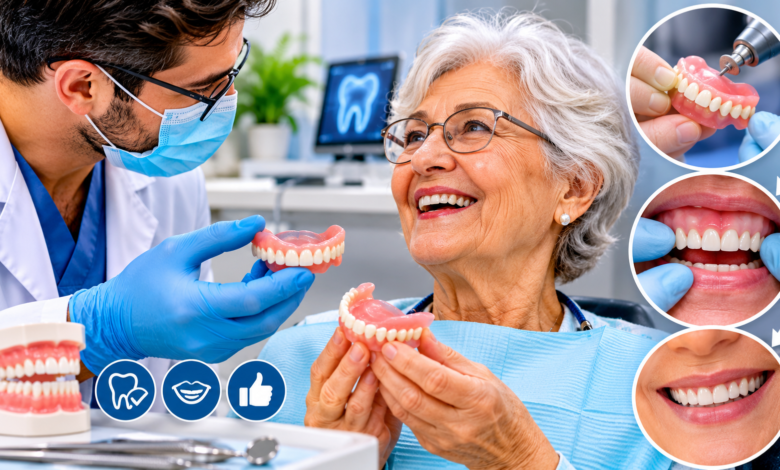
Are your dentures slipping or causing sore spots? Learn why dentures loosen over time, the warning signs to watch for, types of denture relines and rebases, and how refitting restores comfort.
When a pair of dentures fits properly, you barely notice they are there—you can speak, laugh, and enjoy your favorite meals without a second thought. Over time, however, subtle changes in your mouth can turn an effortless fit into a daily frustration. Suddenly, your plate shifts when you chew, food slips underneath, or tender spots develop along your gums.
Experiencing looseness does not automatically mean you have to pay for a brand-new set of teeth. In many cases, denture refitting—reshaping or resurfacing the inside of your current appliance—can restore a snug, stable, and pain-free seal.
Here is everything you need to know about why dentures lose their grip, the signs that you need an adjustment, the different types of relines available, and how to care for your appliance afterward.
What Is Denture Refitting?
Denture refitting is a dental procedure that updates the inner surface or base of your existing denture so it matches the current contours of your gums and jaw.
Think of it like adding a supportive custom insole to a pair of well-made leather shoes that have stretched slightly over time. The outer structure is still solid, so instead of replacing the entire pair, you restore the interior fit so it stops slipping at the heel.
Why Do Dentures Become Loose Over Time?
In most cases, the denture itself hasn’t warped—your mouth has changed. Once natural teeth are removed, the underlying jawbone no longer receives stimulation from tooth roots and gradually shrinks in a natural process called bone resorption.
As the jaw ridge and gum tissue subtly flatten and recede, tiny gaps open between your gums and the denture base, breaking the natural suction seal. Several other factors can accelerate fit changes:
-
Recent Tooth Extractions: Gums shrink and reshape rapidly during the first several months of healing after extractions.
-
Significant Weight Fluctuations: Losing or gaining noticeable weight alters facial contours and gum volume.
-
Medications and Dry Mouth: Saliva helps create suction; illnesses or prescriptions that reduce saliva flow can make dentures feel looser.
-
Normal Wear and Tear: Years of daily chewing gradually wear down the acrylic base.
Warning Signs Your Dentures Need Refitting
Your mouth usually sends clear signals well before a denture becomes unwearable. Schedule an evaluation if you notice any of the following:
-
Clicking, rocking, or slipping when you speak, laugh, or bite down
-
Persistent sore spots, redness, or friction ulcers on your gums
-
Relying on larger and larger amounts of denture adhesive just to get through the day
-
Seeds or food particles repeatedly getting trapped beneath the plate
-
Difficulty chewing foods you previously ate comfortably
-
Subtle facial changes, such as sunken cheeks, thinner-looking lips, or cracked corners of the mouth
Why You Shouldn’t Wait: Ignoring a poor fit does more than cause irritation. Constant rubbing can create chronic tissue inflammation, while trapped food and moisture beneath a loose plate increase the risk of oral fungal infections (such as denture stomatitis).
Types of Denture Refitting: Relines vs. Rebase
Depending on the condition of your appliance and the sensitivity of your gums, your dental professional will typically recommend one of four refitting approaches:
| Refit Option | How It Works | Best Suited For |
| Hard Reline | Resurfaces the inside of the denture with durable, rigid acrylic molded to your current gums. | Standard full dentures needing a long-lasting, firm fit (typically recommended every 1–2 years). |
| Soft Reline | Lines the tissue-facing surface with a pliable, cushion-like polymer material. | Patients with thin, sensitive, or tender gums prone to frequent pressure sores. |
| Temporary Reline | Applies a medicated, soothing liner for short-term relief while swollen or healing gums recover. | Recently extracted teeth or severely irritated gums before a permanent reline is made. |
| Denture Rebase | Replaces the entire pink acrylic base while preserving your existing denture teeth. | Appliances with a cracked, worn, or heavily stained base where the teeth remain in great condition. |
What Happens During a Denture Refitting Appointment?
A refitting appointment is straightforward, painless, and involves zero needles or drilling:
-
Oral & Appliance Exam: Your dentist or clinical dental technician checks your gums for irritation, inspects the denture base for cracks, and evaluates how your upper and lower teeth meet when you bite.
-
Taking a Fresh Impression: A thin layer of soft impression putty is placed inside your clean denture. You bite down gently for a few minutes while the material captures an exact mold of your current gum ridges.
-
Resurfacing & Polishing: Depending on whether the reline is performed chairside in the clinic or sent to a dental laboratory for a heat-cured finish, the new acrylic or soft liner is bonded, trimmed, and polished smooth.
-
Final Fit & Bite Check: Your refitted denture is placed back in your mouth so your provider can test suction, verify even bite pressure, and buff away any minor high spots.
(Tip: Before booking, ask whether your clinic performs chairside relines in a single visit or sends appliances to a lab—so you know ahead of time if you will be without your dentures for a few hours.)
Refitting vs. Getting New Dentures
While denture refitting extends the life of a well-made appliance, it isn’t always the best fix. Most dentures have an average lifespan of five to ten years.
-
Choose a Refit If: Your dentures are only a few years old, the artificial teeth still have sharp chewing surfaces, and the main issue is looseness or minor gum irritation.
-
Choose New Dentures If: Your appliance is over 7–10 years old, the teeth are worn flat or chipped, the base has been repaired multiple times, or your bite alignment has shifted significantly.
How to Care for Your Dentures After a Refit
Once your dentures fit snugly again, consistent daily habits will keep them comfortable and prevent warping:
-
Rinse After Meals: Remove and rinse your dentures with cool or lukewarm water after eating to clear away food debris.
-
Brush Gently Every Day: Use a soft-bristled denture brush and a non-abrasive denture cleanser (regular toothpaste is too gritty and can scratch acrylic).
-
Soak Overnight: Keep your dentures submerged in water or a mild soaking solution while you sleep so the base stays hydrated and retains its shape—and give your gums time to rest.
-
Avoid Hot Water: Never soak or rinse dentures in boiling or hot water, which can warp both hard acrylic and soft liners.
-
Skip DIY Store Reline Kits: Over-the-counter reline kits can permanently alter your bite alignment, damage the appliance, and trap bacteria against your gums.
It is completely normal for a refitted denture to feel noticeably tighter for the first two or three days as your oral tissues adjust. If a specific pressure spot persists beyond a few days, contact your dental provider for a quick, minor adjustment.
Frequently Asked Questions
How long does a denture refitting take?
A chairside soft or hard reline can often be completed in a single 30-to-60-minute appointment. Laboratory-processed relines or full rebases typically take several hours to a day.
Does denture refitting hurt?
No. The procedure involves taking a gentle putty impression inside your existing denture and reshaping the acrylic—there are no injections or invasive dental work involved.
How often should dentures be refitted or checked?
Most dental professionals recommend an annual checkup to monitor gum health and appliance fit, with hard relines commonly needed every one to two years as your jawbone naturally changes.