The Wellness Trends Taking Over 2026—and Which Ones Are Actually Worth Trying
Every year arrives with a fresh wave of wellness promises. Social media feeds display morning routines that look like full-time jobs, smart devices claim to quantify every heartbeat, and specialized longevity clinics promise to rewind your biological clock. By 2026, the global wellness industry has grown more sophisticated, moving away from quick-fix diets and toward high-tech personalization, preventive health, and metabolic science.
Yet, with more options comes deeper fatigue. How do you separate transformative, evidence-backed habits from clever marketing campaigns? Investing time and money into every emerging habit is neither practical nor sustainable.
To navigate the current landscape, we must look past the sleek branding and analyze what the research actually says. Here is a realistic look at the biggest wellness trends of 2026 and an honest breakdown of which ones deserve a place in your routine.
Why Wellness Looks Different in 2026
The wellness narrative has shifted dramatically over the past few years. We have moved past the era of reactive self-care—like taking a hot bath after a grueling 60-hour work week—and entered an era focused on proactive resilience and functional health.
Three major forces drive this shift:
-
Accessibility of Health Data: Continuous glucose monitors (CGMs), smart rings, and AI-driven health analytics have transformed biological data from an annual doctor’s visit metric into daily information.
-
Focus on Healthspan: People no longer just want to live longer; they want to live better. The focus has moved from lifespan (total years lived) to healthspan (years lived free of chronic disease and disability).
-
Consumer Skepticism: After years of viral “miracle” supplements and extreme wellness retreats, consumers are demanding evidence. The current landscape favors practices grounded in clinical research, physiology, and sustainable habit-building.
Understanding this shift helps us evaluate which trends deliver actual value and which simply capitalize on our desire for better health.
The Biggest Wellness Trends of 2026
1. Strength Training for Longevity and Bone Density
For decades, cardio dominated the wellness conversation for longevity and cardiovascular health. Resistance training was often viewed as a niche activity for bodybuilders or athletes. In 2026, progressive strength training has emerged as a cornerstone of preventive medicine.
Why it’s popular: Public health messaging and clinical research have increasingly highlighted sarcopenia (age-related muscle loss) as a major risk factor for physical decline, metabolic dysfunction, and premature mortality.
What the evidence says: Extensive clinical research published in major journals like The Lancet and JAMA confirms that maintaining lean muscle mass directly correlates with improved insulin sensitivity, superior metabolic rate, better joint protection, and lower all-cause mortality. Resistance training stimulates osteoblast activity, which maintains and improves bone mineral density—a vital factor for preventing osteoporosis later in life.
-
Who benefits: Virtually everyone, particularly adults over 30, women navigating perimenopause and menopause, and older adults focused on mobility.
-
Limitations: Proper form is essential to avoid joint or tendon strain.
-
Verdict: Worth trying. This is one of the most effective, accessible, and high-yield lifestyle habits available.
2. Personalized Sleep Architecture and Circadian Alignment
Sleep advice used to begin and end with “get eight hours.” Today, sleep optimization focuses on sleep architecture—the natural balance of deep, REM, and light sleep stages—alongside circadian rhythm alignment.
Why it’s popular: Non-invasive wearables now track core body temperature shifts, heart rate variability (HRV), and movement, giving people unprecedented visibility into their night-to-night sleep quality.
What the evidence says: Sleep science consistently demonstrates that timing and consistency matter as much as total duration. Aligning your sleep-wake schedule with natural light cycles supports hormonal balance, metabolic health, and cognitive function. Simple, non-tech interventions—such as viewing natural sunlight within 30 minutes of waking, limiting light exposure in the evening, and keeping the bedroom cool—have robust clinical backing.
-
Who benefits: Anyone suffering from daytime fatigue, brain fog, high stress levels, or irregular shift schedules.
-
Limitations: Over-analyzing tracker data can induce “orthosomnia”—an unhealthy anxiety about achieving perfect sleep metrics that ironically makes sleeping harder.
-
Verdict: Worth trying. Focus on basic circadian habits first before investing in complex sleep-tech gadgets.
3. Functional Nutrition: Protein-Prioritized and Fiber-Rich Eating
Fad diets that require cutting out entire food groups (like strict keto or low-fat regimes) have largely given way to functional, nutrient-dense eating. The dominant nutritional movement in 2026 focuses on hitting specific daily targets for protein and dietary fiber while minimizing ultra-processed foods.
Why it’s popular: A growing public awareness around blood sugar stabilization, gut health, and satiety has shifted nutrition away from pure calorie restriction toward metabolic nourishment.
What the evidence says: Adequate protein intake (roughly 1.2 to 2.0 grams per kilogram of body weight for active adults) supports muscle protein synthesis, metabolic recovery, and satiety. Meanwhile, diverse dietary fiber feeds the gut microbiome, producing short-chain fatty acids like butyrate that reduce systemic inflammation.
-
Who benefits: Individuals looking to manage body composition, improve energy levels, support digestion, and prevent metabolic disease.
-
Limitations: Hyper-focusing on protein totals can sometimes lead people to consume overly processed protein bars and powders rather than whole food sources.
-
Verdict: Worth trying. Prioritizing whole-food protein and diverse plant fiber is a sustainable, research-backed dietary approach.
4. AI-Powered Personal Health Coaching and Biometric Tracking
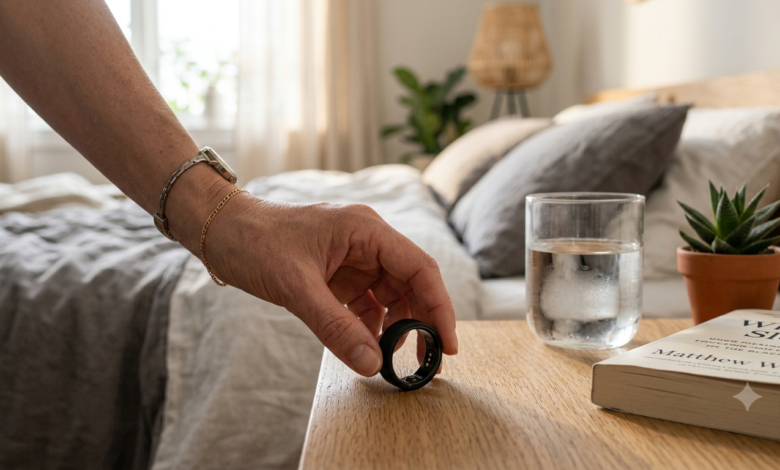
From smart rings that monitor recovery to AI platforms that synthesize blood panels, genomic data, and daily wear metrics, technology is making health data highly personalized.
Why it’s popular: Consumers want actionable guidance tailored specifically to their unique biology, rather than generalized public health guidelines.
What the evidence says: Wearables are excellent at tracking broad trends over time—such as resting heart rate, HRV trends, and sleep duration. However, their consumer-grade sensors are not diagnostic medical devices. While AI can analyze patterns efficiently, it lacks clinical intuition and cannot replace a qualified physician or registered dietitian.
-
Who benefits: Data-driven individuals and fitness enthusiasts who enjoy tracking long-term trends to adjust their lifestyle habits.
-
Limitations: High costs, potential data privacy concerns, and information overload.
-
Verdict: Worth trying with caution. Use wearables as informative tools, not absolute truths.
5. Micro-Detoxing and Intentional Digital Hygiene
Rather than extreme week-long retreats without phones, 2026 has embraced “micro-detoxing”—small, structured daily habits that create boundaries between human attention and algorithmic technology.
Why it’s popular: Chronic screen exposure, constant notifications, and social media consumption are increasingly linked to elevated cortisol, reduced attention spans, and poor sleep quality.
What the evidence says: Research in behavioral psychology confirms that continuous digital interruptions keep the nervous system in a mild state of hyper-arousal. Establishing clear digital boundaries—such as tech-free bedrooms, notification audits, and phone-free morning hours—measurably lowers perceived stress and improves interpersonal connection.
-
Who benefits: Anyone experiencing mental burnout, chronic distraction, or evening anxiety.
-
Limitations: Requires discipline and conscious habit restructuring rather than a one-time purchase.
-
Verdict: Worth trying. Free, effective, and beneficial for long-term psychological health.
Which Wellness Trends Are Actually Worth Trying?
To simplify your decision-making, here is a quick direct comparison of how popular wellness trends stack up based on scientific backing, accessibility, and overall value.
| Wellness Trend | Evidence Level | Cost / Accessibility | Overall Verdict |
| Strength Training & Body Composition | High | Low to Moderate | Worth Trying |
| Circadian Sleep Optimization | High | Free / Low Cost | Worth Trying |
| Protein & Fiber-Focused Nutrition | High | Low to Moderate | Worth Trying |
| Micro-Digital Detoxing | Moderate-High | Free | Worth Trying |
| Smart Rings & Biometric Trackers | Moderate | Moderate to High | Worth Trying with Caution |
| Cold Plunges & Cryotherapy | Mixed | High | Mostly Hype |
| Continuous Glucose Monitors (Non-Diabetic) | Low to Mixed | High | Not Necessary for Most |
Wellness Trends to Approach With Caution
Not every trend taking over social media delivers on its promises. Several high-profile wellness habits carry steep price tags or exaggerated claims despite limited clinical support.
Cold Plunges and Cryotherapy
Immersion in ice baths or cryotherapy chambers remains popular for post-workout recovery and mental resilience. While deliberate cold exposure does release dopamine and epinephrine—leading to a temporary burst of alertness—the physiological benefits are frequently exaggerated.
-
The Reality: For muscle growth, cold plunging immediately after resistance training can actually blunts hypertrophic signaling pathways, reducing muscle gains.
-
Verdict: Mostly hype. A cold shower provides a similar mental reset without the expensive equipment.
Continuous Glucose Monitors (CGMs) for Healthy Adults
Wearing a real-time blood glucose monitor has become a status symbol among non-diabetic wellness enthusiasts seeking to flatten their glycemic curves.
-
The Reality: For individuals without diabetes or metabolic dysfunction, transient blood sugar spikes after eating carbohydrates are a normal, healthy physiological response. Hyper-fixating on minor glucose fluctuations can cause unnecessary food anxiety and orthorexic behaviors.
-
Verdict: Not necessary for most people. Focus on balanced meals containing protein, fats, and fiber instead.
How to Choose Wellness Trends That Actually Make Sense for You
When evaluating any new wellness practice, asking four simple questions can save you significant time, stress, and money:
[Evaluate a Trend]
        │
        ├── 1. What is the baseline risk and cost?
        │
        ├── 2. Does it replace a foundational habit (sleep, diet, movement)?
        │
        ├── 3. Is there peer-reviewed evidence outside of marketing claims?
        │
        └── 4. Is this something I can realistically sustain for 6 to 12 months?
-
Does this replace a baseline habit? No gadget, cold tank, or specialized powder can undo chronic sleep deprivation, a sedentary lifestyle, or high psychological stress. Always secure the basics first.
-
What does the independent research say? Look for peer-reviewed studies conducted on human subjects rather than animal trials or studies funded entirely by the product manufacturer.
-
Is it sustainable for your lifestyle? The best health practice is the one you can maintain consistently over years, not weeks.
-
Is it safe for your personal medical background? Always consult a doctor or registered healthcare provider before introducing new interventions, rigorous physical regimes, or dietary alterations—especially if you have underlying health conditions.
The Bottom Line
The defining lesson of 2026’s wellness landscape is that complexity does not equal effectiveness. While modern technology provides unprecedented insight into our body’s metrics, genuine health remains rooted in basic, repeatable habits: lifting weights, eating whole foods rich in protein and fiber, respecting your circadian rhythm, and stepping away from your screens.
Before buying the next viral health device or booking an expensive therapy session, ask yourself if your foundational habits are solid. True wellness isn’t found in a quick fix—it is built through simple, sustainable actions practiced consistently over time.