Entertainment Trends Taking Over Social Media in 2026
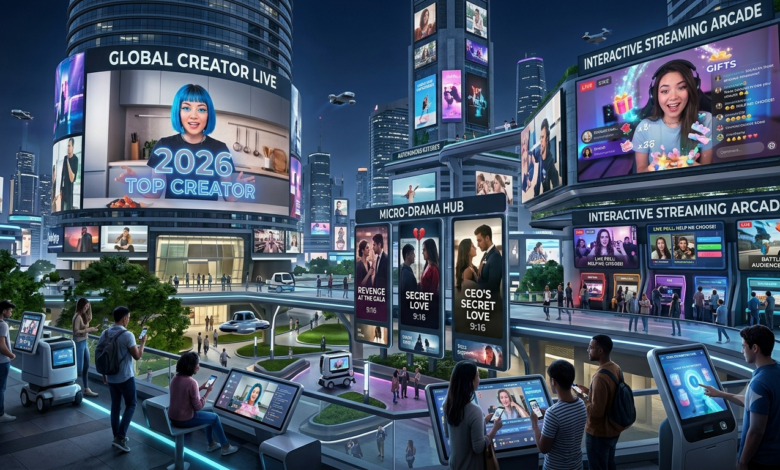
The Entertainment Trends Taking Over Social Media and Streaming in 2026
Entertainment is no longer divided neatly between television, movies, music, and social media. In 2026, those categories are increasingly blending together.
A creator can become a streaming star. A podcast can become a television channel. A short social-media series can develop into a full entertainment franchise. Audiences now transition from TikTok or YouTube to a streaming platform without feeling like they have changed ecosystems at all.
This shift is accelerating. Major streaming platforms like Netflix are aggressively pursuing creator-led video and podcasts, while YouTube continues exploring multimillion-dollar deals to keep top-tier talent exclusive. Short-form video, live interactive experiences, vertical storytelling, and AI-assisted production are redefining how digital media is made and consumed.
Here are the major entertainment trends shaping social media and streaming in 2026.
1. Short-Form Video Is Entertainment, Not Just Social Content
Short-form video has moved far beyond quick clips and lip-sync memes. Formats established by TikTok, Instagram Reels, and YouTube Shorts have trained global audiences to expect narratives that deliver emotional payoff fast.
The vertical video format is now so dominant that traditional studios are actively adopting it for scripted storytelling. Rather than acting as mere promotional material, vertical clips are treated as primary release channels for original programming.
2. Microdramas Are Redefining Mobile Storytelling
Microdramas—scripted vertical series featuring episodes that run between 60 to 120 seconds—have erupted into a powerhouse format. Serialized narratives rely on rapid plot escalation and sharp cliffhangers designed for rapid binging.
According to industry data from Omdia, global microdrama revenues are set to reach $14 billion in 2026, with the US market alone expanding to $1.5 billion. Apps like ReelShort and DramaBox are driving engagement metrics on mobile devices that frequently surpass traditional long-form streaming apps.
3. Streaming Platforms Are Chasing Creators
The boundary separating a “digital creator” from a “mainstream celebrity” has effectively dissolved. Creators possess direct, highly engaged relationships with audiences—an asset media conglomerates have spent decades trying to build.
Platforms are locking in talent to protect market share. While YouTube uses lucrative exclusivity deals to maintain its footprint, platforms like Netflix are licensing video podcasts and building original content slates around internet-native personalities. Streaming success now relies as much on internet talent as it does on traditional movie stars.
4. Video Podcasts Are Moving to Mainstream Television
Podcasts have completed their evolution from audio files to multi-channel visual assets. A single recorded conversation yields a deep long-form episode alongside dozens of vertical snippets engineered for viral discovery on social feeds.
The economics make visual podcasts uniquely scalable. For example, legacy shows like Mohr Stories have migrated onto free ad-supported streaming television (FAST) platforms such as LG Channels, turning digital audio archives into dedicated 24/7 streaming networks.
5. Social Media and Streaming Are Merging
The traditional linear funnel—Discover on social Watch on TV—has been replaced by a fluid feedback loop. Audiences discover a show through short clips on TikTok, monitor cast updates on Instagram, join fan discourse on X, and stream full episodes on demand.
Media brands now engineer intellectual property (IP) to exist seamlessly across multiple touchpoints simultaneously. Collaborative campaigns between studios and social platforms showcase how vertical clips and full-length episodes build off each other to sustain interest over time.
6. Live Interactive Entertainment Is Growing
While on-demand libraries provide depth, live broadcasting builds urgency. Live events—including sports, music, gaming tournaments, and creator-led Q&As—deliver an immediacy that pre-recorded shows cannot match.
Modern live streaming leverages active participation. Real-time chat, viewer polls, interactive tipping, and live commerce transform viewers from passive observers into active participants in the broadcast.
7. AI Tools Are Streamlining Production
Artificial intelligence is becoming standard infrastructure across pre-production and post-production workflows. Rather than replacing human creativity, AI speeds up time-intensive technical labor.
-
Script & Concept Development: Brainstorming narrative variations and storyboards.
-
Localization: Automated multi-language dubbing, voice matching, and precise subtitle generation.
-
Post-Production: Real-time visual effects tweaks, automated color grading, and noise reduction.
These tools lower financial barriers for independent studios, allowing smaller teams to output high-production content faster.
8. Personalized Discovery vs. Unexpected Curation
Recommendation algorithms now dictate most digital consumption. Platforms leverage viewer history, context, and engagement habits to hyper-personalize home screens.
However, heavy personalization introduces algorithmic fatigue. Platforms face the challenge of balancing accurate recommendations with serendipitous discovery, ensuring users are introduced to new genres beyond their typical viewing habits.
9. Nostalgia Culture Drives Instant Virality
Nostalgia remains a reliable engine for viral social trends. Movements like “2026 is the new 2016” demonstrate how audiences regularly revisit fashion, memes, and culture from past decades through modern digital formats. Brands and studios leverage short-form media to reboot legacy IP, giving classic entertainment second life with younger demographics.
10. Global Content Is Truly Mainstream
Distribution barriers have evaporated, enabling non-English productions to achieve global reach effortlessly. Korean dramas, anime, Spanish thrillers, and Indian action films consistently top global charts. Fan communities accelerate international uptake by generating localized edits, reaction videos, and translations across social platforms.
11. Community Participation Extends Content Lifespan
Modern audiences seek community around the media they watch. Viewers want to analyze plot points, write fan theories, share edits, and interact with creators directly. Traditional shows collect viewers; modern creators build self-sustaining communities. This active participation keeps media relevant long after its initial premiere date.
12. Diversified Business Models Drive Monetization
Monetization has evolved beyond basic subscription fees and standard pre-roll ads. Today’s digital entertainment ecosystem thrives on hybrid revenue streams:
-
Hybrid Subscriptions & Ad-Tiers: Blending lower monthly fees with targeted ad placement.
-
Micro-Transactions: Episode-by-episode unlocks common in vertical drama apps.
-
Integrated Social Commerce: Direct product purchasing embedded inside videos and live broadcasts.
-
Fan Memberships & Direct Support: Tiered subscriptions for exclusive access, community perks, and behind-the-scenes content.
Strategic Takeaways for Creators & Brands
-
Format for Vertical First: Treat vertical, short-form storytelling as a primary medium rather than a promotional afterthought.
-
Build Franchises, Not Single Shows: Design content that translates into short clips, live discussion, interactive polls, and physical community touchpoints.
-
Prioritize Active Participation: Give your audience opportunities to participate in the storytelling lifecycle through commentary, fan edits, and live interactions.
The division between streaming platforms and social media platforms has effectively dissolved. Success in 2026 requires creating fluid, multi-platform entertainment that viewers can watch, share, and directly engage with.


